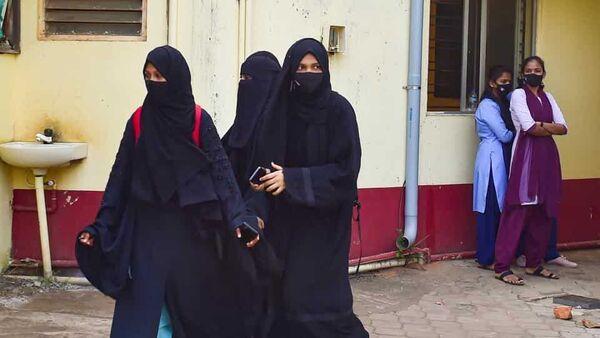
The Karnataka government has announced a partial rollback of the controversial school hijab restrictions, allowing students in educational institutions to wear limited religious symbols, including the hijab, under revised uniform guidelines. The move marks a major policy shift years after the state became the center of a nationwide debate over religious attire in classrooms.
According to state officials, the revised policy aims to strike a balance between maintaining institutional discipline and protecting students’ constitutional rights to religious expression. Under the new guidelines, students will be permitted to wear “small and non-disruptive faith-based symbols” as long as they comply with general dress standards prescribed by schools and colleges.
The decision has triggered strong reactions from political parties, student groups, and civil society organizations. Supporters of the move have welcomed it as a step toward inclusivity and educational access, while critics argue it may reopen communal tensions that had previously polarized the state.
The hijab issue first gained national attention in 2022 after several pre-university colleges in Karnataka barred Muslim students from entering classrooms while wearing headscarves. The matter escalated into legal and political controversy, eventually reaching the Karnataka High Court, which upheld the state government’s authority to enforce uniform rules in educational institutions. The case later reached the Supreme Court, where differing judicial opinions kept the debate alive.
Officials from the current Karnataka administration said the revised approach was introduced after consultations with education experts, parents, and community representatives. Education department sources indicated that schools would still retain the authority to implement uniforms but must now accommodate “reasonable religious expressions” that do not interfere with academic activities or security concerns.
The updated guidelines reportedly allow headscarves, small religious pendants, turbans, and similar symbols within defined limits. However, authorities clarified that clothing or symbols considered politically provocative or disruptive would remain prohibited.
Chief Minister Siddaramaiah defended the decision, stating that education should remain accessible to every student regardless of religion or background. He emphasized that the government’s priority was ensuring harmony in classrooms rather than fueling divisions.
Opposition leaders from the Bharatiya Janata Party criticized the rollback, accusing the state government of engaging in “appeasement politics.” BJP leaders argued that school uniforms are meant to promote equality and should not be diluted by religious considerations.
Meanwhile, several student organizations and rights activists praised the decision, saying the earlier restrictions had disproportionately affected Muslim girls and discouraged some students from attending classes regularly. Human rights groups also noted that inclusive education policies help reduce social exclusion and improve participation rates among marginalized communities.
The issue remains highly sensitive in Karnataka, where previous protests over the hijab ban had led to demonstrations, counter-protests, and temporary closures of educational institutions in multiple districts. Security agencies are reportedly monitoring campuses to prevent tensions following the announcement.
Education experts believe the revised policy may reduce conflict if implemented carefully and consistently across institutions. However, they also warn that schools may face challenges in interpreting what qualifies as “limited” or “acceptable” faith symbols under the new framework.
For now, the Karnataka government says the revised guidelines are intended to create a balanced environment that respects both institutional discipline and individual religious identity, while ensuring that students can continue their education without unnecessary barriers.