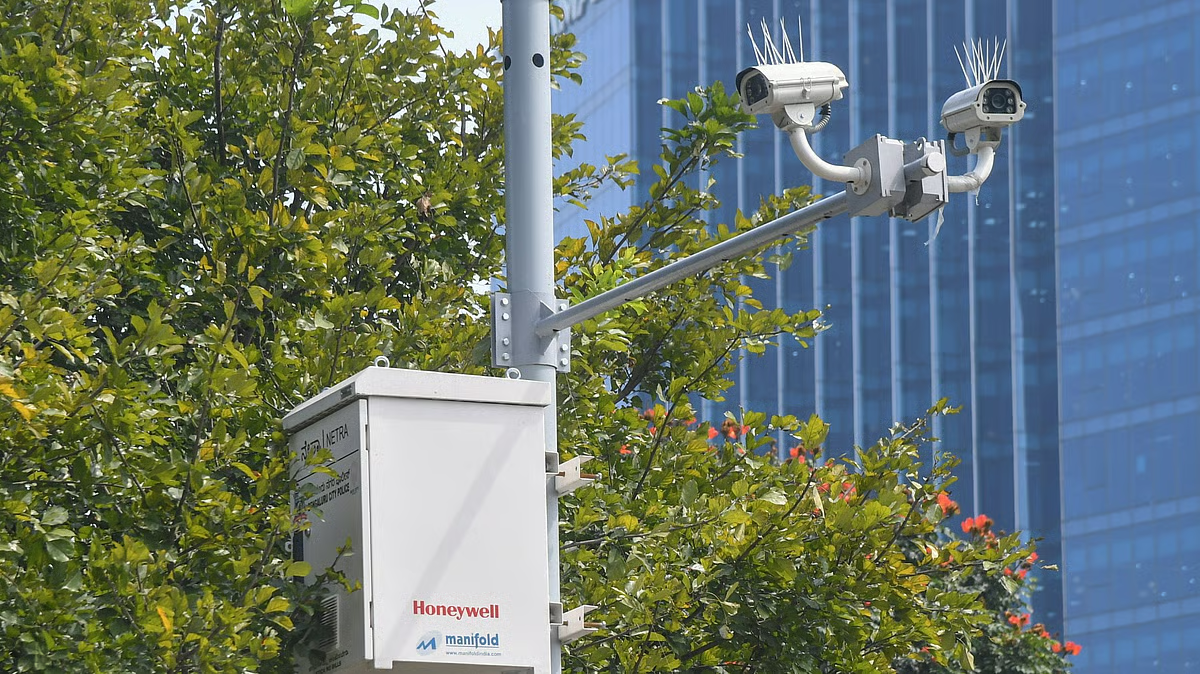

The decision of the Greater Bengaluru Authority to hold back the installation of AI-enabled cameras, which were supposed to detect potholes, garbage dumps, debris, and illegal advertisements across Bengaluru, has raised a lot of debate in India’s tech capital. The ambitious project to automate civic monitoring and bring in better urban governance has been put on hold due to rising concerns about data privacy and the pattern of surveillance and operational transparency.
It initially included the installation of approximately 250 AI-enabled cameras on different civic vehicles, such as garbage trucks and inspection vans. These cameras were programmed to click pictures and, through algorithms of machine learning, identify civic issues in real time. Once identified, the system was supposed to trigger automated alerts to the concerned departments for immediate action. While the idea promised a futuristic, tech-driven solution to Bengaluru’s chronic pothole and garbage woes, the project quickly ran into controversy.
Why the Project Was Halted
According to the officials, the main reason for putting the deployment on hold was due to a lack of clarity over who controls the data, where it will be stored, and what safeguards will be placed to stop potential misuses. The GBA expressed concerns that continuous video recording across streets and neighborhoods could inadvertently result in mass surveillance, potentially capturing citizens, vehicles, and private premises without consent.
The city’s increasing digitization has made the residents very sensitive to privacy-related matters, especially after a number of high-profile cases related to leaked or misused CCTV footage and personal data. Civic activists and technology ethics experts also raised red flags, saying that in the absence of a framework for data protection, such AI-enabled monitoring systems could cross the line of ethics anytime.
A senior GBA official recognized that while the technology is promising, it needs to be deployed responsibly:
“The intention is good – nobody can deny Bengaluru needs smarter solutions. But without clear guidelines on data privacy, retention, and access, implementing AI cameras across the city may end up doing more harm than good.”
Redistribution of Already Purchased Cameras
Interestingly, the project had already purchased the AI cameras and begun preliminary installations before the concerns escalated. Now, with the rollout on hold, the cameras are being distributed to various civic departments for small-scale, controlled use until a final policy decision is made. This interim measure ensures waste of public money does not occur, even as large-scale deployment goes on hold.
It is revealed that some cameras are to be used for internal documentation, monitoring certain routes of government fleets, or other purposes that may not involve privacy.
The Bigger Picture: Technology vs. Privacy
Once known as the “Silicon Valley of India,” Bengaluru is continuing its experimentations with smart-city technologies-from AI-enabled traffic lights to predictive waste management. But each innovation brings up a new question about data rights and digital governance. This current stalled camera project raises a broader dilemma for the modern city: how do you harness technology without sacrificing citizen’s privacy?
According to experts, such projects should involve:
Transparent data protection policies
Transparent procurement and deployment processes
Independent audits of AI systems
Public consultations before city-wide rollouts
Without these measures, even well-intentioned solutions can lose public trust.
Urban Problems Still Need Solutions
While the debate over privacy is not irrelevant, the pothole problem in Bengaluru is very real and has caused accidents, traffic mayhem, and even some deaths in the past. Civic groups fear that a stay on the AI project may delay essential reforms in urban monitoring.
These assurances by the GBA include finding other alternatives, like expanding manual inspections, better citizen-reporting apps, and improving existing road maintenance workflows. Officials said the AI project may later resume work after a “privacy-balanced framework” is attained.
What Comes Next?
This is a signal that Bengaluru is at an interesting crossroads: eager to embrace innovation through technology, yet equally aware of the increasing global scrutiny on digital surveillance. If revived, any success of the AI-camera project will lie in whether the city can draft policies that are transparent and strong on privacy, while easing innovation onto the streets as well as pleasing public expectation. For now, the decision marks a well-considered pause rather than a permanent cancellation. The governance bodies of Bengaluru seem committed to ensuring that the future of civic technology is not only smart but also ethical, accountable, and citizen-friendly.