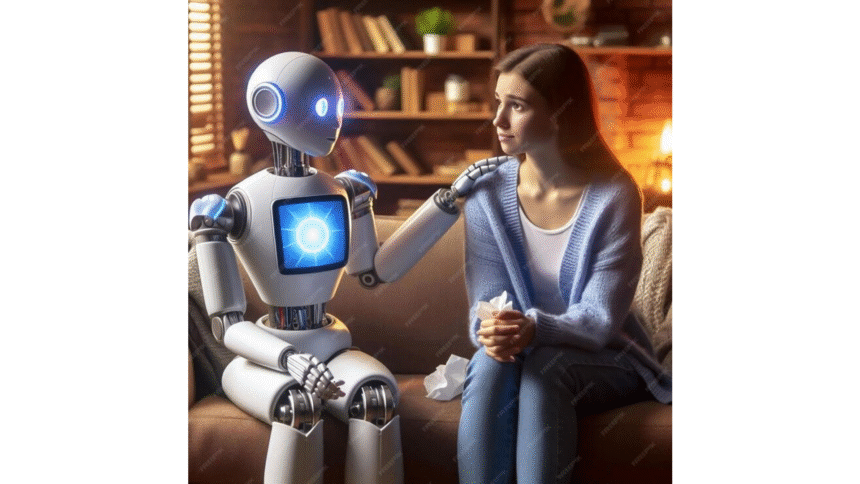

BENGALURU – As artificial intelligence (AI) tools become increasingly prevalent in healthcare, mental health professionals in Bengaluru are raising concerns about the growing reliance on AI for therapy and counseling. While AI-driven platforms promise convenience and accessibility, experts caution that these systems cannot replace the nuanced care provided by human therapists.
The debate has gained momentum as tech companies launch AI chatbots and virtual counseling apps that claim to offer mental health support. These platforms can guide users through mindfulness exercises, cognitive behavioral therapy techniques, and emotional check-ins. However, professionals argue that the complexity of human emotions and the subtleties of interpersonal communication are far beyond what AI can authentically handle.
Dr. Meera Raghavan, a clinical psychologist in central Bengaluru, explains, “AI can assist with basic counseling tasks or provide reminders for mental health exercises, but therapy is deeply human. The empathy, intuition, and understanding that a trained therapist provides cannot be programmed into a machine. AI lacks the ability to truly ‘feel’ and respond to the emotional needs of a patient.”
According to recent studies, mental health issues in urban India, including Bengaluru, are rising, with anxiety, depression, and stress-related disorders being among the most common. The shortage of trained mental health professionals makes the temptation to use AI solutions more appealing. AI-driven platforms offer 24/7 support, immediate responses, and anonymity, all of which are attractive to people hesitant to visit therapists.
Despite these advantages, experts warn of significant limitations. Dr. Raghavan points out that AI may fail to detect subtle warning signs of severe conditions such as suicidal ideation, self-harm tendencies, or psychotic episodes. “A machine cannot replace human judgment when it comes to life-threatening situations,” she says. “Relying solely on AI could delay critical interventions that a human therapist might notice immediately.”
Another concern is the risk of data privacy and confidentiality. While AI platforms claim to maintain anonymity, the storage and processing of sensitive mental health data pose potential risks. Experts emphasize that breaches could have serious implications for users’ privacy and trust.
Furthermore, mental health is not just about problem-solving; it is about building a therapeutic relationship. Human therapists use active listening, nonverbal cues, and empathy to create a safe space for patients. These relational aspects are essential for effective treatment and healing, and AI, no matter how sophisticated, cannot replicate them.
Some AI advocates argue that these tools are intended to complement, not replace, therapists. They can provide preliminary screening, cognitive exercises, and even track progress over time. Experts agree that when used responsibly, AI can enhance mental health care by supporting therapists, improving access, and reducing the burden on the healthcare system.
Dr. Anil Kumar, a psychiatrist in Bengaluru, highlights a balanced approach: “We should see AI as a tool, not a substitute. For example, a chatbot can help someone manage stress with daily check-ins, but complex emotional issues, trauma, or psychiatric conditions require human intervention. AI should be integrated thoughtfully, always keeping patient safety and wellbeing as the top priority.”
The consensus among Bengaluru mental health professionals is clear: while AI has the potential to improve accessibility and supplement therapy, it should never replace human therapists. The human connection, understanding, and emotional intelligence that therapists provide are irreplaceable and central to effective mental health treatment.
As AI technology continues to advance, experts recommend a cautious and ethical approach to mental health applications. Training programs, guidelines, and regulatory frameworks may help ensure that AI serves as a supportive tool without compromising the quality of care or the safety of patients.
In conclusion, Bengaluru’s mental health community urges individuals seeking help to prioritize human therapists for serious emotional or psychological concerns. AI can be an aid, but the essence of therapy lies in human connection – something that no algorithm, however advanced, can replicate