
Bengaluru’s Rs 613-Crore Sweeping Plan Explained Simply
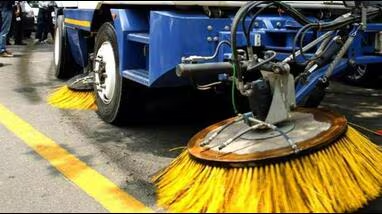
Bengaluru is preparing for one of its most ambitious road-cleaning efforts yet. Under a new initiative by the Greater Bengaluru Authority (GBA), five newly formed city corporations will soon float tenders to rent 46 mechanical road sweeping machines. The plan, estimated to cost over Rs 600 crore, aims to tackle the city’s long-standing dust, silt, and debris problem that continues to affect air quality and public health.
What makes this initiative significant is not just the scale of spending, but the long-term commitment. The rental period for these machines has been extended from seven years to ten years, making it a decade-long project with strict monitoring and upgraded technology.
Here’s a clear, easy-to-understand breakdown of what’s happening, why it matters, and what citizens can expect.
Why Bengaluru Needs Mechanical Sweepers Now
Anyone who drives or walks on Bengaluru’s roads knows the problem well. Layers of silt, dry leaves, construction debris, and dust line the edges of major roads. When vehicles pass, this dust rises into the air, worsening pollution and triggering respiratory problems.
Currently, not a single mechanical sweeping machine is operational in the city. The previous sweeping contract expired in early 2025 and was only extended briefly. Even during that extension, only a small number of machines were deployed, leaving most areas unattended.
The impact of this neglect became very visible recently when residents themselves stepped in.
Citizen Drives Expose the Scale of the Problem
In Bengaluru’s East zone, tech professionals and local residents organized citizen-led silt removal drives near their neighbourhoods. On road stretches of less than 100 metres, volunteers collected two tractor loads of silt during just two drives.
These efforts highlighted how badly roads have been neglected and strengthened the case for a large-scale, systematic cleaning solution rather than occasional manual efforts.
What Is the Rs 613-Crore Sweeping Initiative?
The GBA’s sweeping initiative involves renting 46 self-propelled mechanical sweeping machines for use across five city corporations. The total estimated cost over ten years is around Rs 610 crore.
Instead of purchasing the machines outright, the corporations will rent them. This approach is intended to reduce long-term maintenance risks and ensure that vendors remain responsible for machine performance throughout the contract period.
The decision follows a detailed feasibility study conducted by RITES Ltd, a government-owned engineering consultancy.
Role of RITES and the Feasibility Study
RITES Ltd was tasked with preparing a comprehensive study covering technical specifications, operational efficiency, and cost estimates for the sweeping machines.
Based on this study, GBA issued formal orders to the five civic bodies, instructing their commissioners to examine the report, obtain government approvals where required, and begin the tendering process.
Importantly, the GBA clarified that the study is a guiding document. Corporation commissioners are not legally bound to follow the pricing or model suggested by RITES and may modify specifications if they feel changes are necessary.
Why the Rental Period Was Extended to 10 Years
Originally, the proposal planned for a seven-year rental period. This has now been extended to ten years.
Officials believe the longer duration will offer better value for money, ensure stability in operations, and encourage vendors to deploy higher-quality machines since they will be responsible for performance over a longer period.
With this change, the combined expenditure of the five corporations is expected to cross Rs 600 crore over the decade.
How These New Sweepers Are Different
Higher Daily Cleaning Capacity
The RITES study recommends self-propelled mechanical sweepers capable of cleaning up to 10 kilometres per shift. This is a significant improvement over earlier benchmarks of around 7 kilometres per shift.
Despite the higher output, fuel consumption is expected to remain similar to older machines, improving overall efficiency.
Lower Maintenance Costs
Annual operation and maintenance costs have been capped at approximately 5 percent. This is meant to prevent cost overruns that plagued earlier contracts.
Better Long-Term Value
The study assumes a salvage value of 30 percent after seven years of use. This higher residual value helps justify the long-term rental cost and reduces the effective financial burden on civic bodies.
GPS, Cameras, and Central Monitoring
One of the biggest criticisms of past sweeping contracts was poor utilization. Machines were often idle, routes were not properly covered, and there was little accountability.
To fix this, the new plan makes GPS tracking and camera installation mandatory on all sweepers.
Centralised Monitoring System
All machines will be monitored in real time through a centrally-controlled management system. This will allow authorities to track routes, verify working hours, and ensure that sweepers are actually cleaning assigned roads.
Officials believe this technology-driven approach will significantly improve transparency and performance.
How the Machines Will Be Distributed Across the City
The 46 machines will be divided among the five corporations based on arterial road length and traffic density.
Zone-Wise Allocation and Cost
East Zone
11 machines
Estimated cost over 10 years: Rs 146.6 crore
West Zone
10 machines
Estimated cost over 10 years: Rs 133.3 crore
North Zone
10 machines
Estimated cost over 10 years: Rs 133.3 crore
Central Zone
7 machines
Estimated cost over 10 years: Rs 93.3 crore
South Zone
8 machines
Estimated cost over 10 years: Rs 106.6 crore
Costs are rounded off and may vary slightly after final tendering.
What Officials Are Saying
Maheshwar Rao, Chief Commissioner of GBA, has emphasized that public health is the top priority behind the initiative.
According to him, the focus is on removing dust and silt from roads to reduce pollution-related health risks. He also confirmed that the feasibility study was prepared at the government’s request and has now been shared with corporation commissioners so they can move ahead with tenders.
He reiterated that civic bodies have the freedom to adjust specifications or pricing if they believe changes are needed.
Will This Finally Fix Bengaluru’s Dust Problem?
The success of this sweeping initiative will depend on three key factors: timely tendering, strict monitoring, and consistent on-ground execution.
The inclusion of GPS tracking and cameras addresses one of the biggest failures of past efforts. The higher cleaning capacity and longer rental period also suggest a more serious commitment than earlier contracts.
However, citizens and experts alike will be watching closely to see whether the machines are deployed efficiently and whether roads across all zones receive regular cleaning, not just select stretches.
What Comes Next
Once tenders are floated and finalized, vendors will be selected to supply and operate the sweeping machines. If the process moves quickly, Bengaluru could see mechanical sweepers back on the roads after a long gap.
For a city battling rising dust pollution and citizen frustration, this initiative could be a turning point. Whether it lives up to expectations will become clear only when the machines start rolling and the dust finally settles.